Jeff Townsend
Critical minerals and public policy
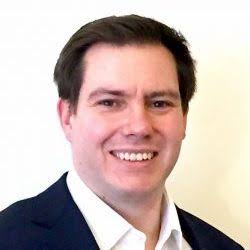
Jeff co-founded the Critical Minerals Association. His work connects industry and government, with a focus on mineral supply chains, traceability and the policies that support responsible sourcing.
ASMRAF, the Artisanal and Small-Scale Mining Responsible Assurance Framework, is a not-for-profit. We verify artisanal and small-scale mines across Africa, record where their minerals and metals come from, and help them reach fair, legal markets.
ASMRAF exists to raise standards in small-scale mining, not to make a profit from miners. We’re funded only by our corporate, industry and individual memberships. Miners never pay: registering, getting a MUCC code and being verified are free.
ASMRAF sets the standard, verifies the mines and issues MUCC codes. It doesn’t buy or sell minerals or handle payments, and miners can sell to any ASMRAF-approved buyer.
On 9 November 2025, ASMRAF signed a non-exclusive agreement with MinePay, a technology provider that records sales and supports payments to miners within the ASMRAF framework. Together we aim to help ASMRAF-verified mines reach approved buyers, record every lot they sell under the mine’s MUCC code, and get miners a fairer deal for what they produce. Any provider that meets ASMRAF’s requirements can apply on the same terms, and MinePay takes no part in verification decisions.
Experience in mining, materials, public policy and environmental governance, brought together to support responsible artisanal and small-scale mining.
Critical minerals and public policy
Jeff co-founded the Critical Minerals Association. His work connects industry and government, with a focus on mineral supply chains, traceability and the policies that support responsible sourcing.
Mining operations and technical assessment
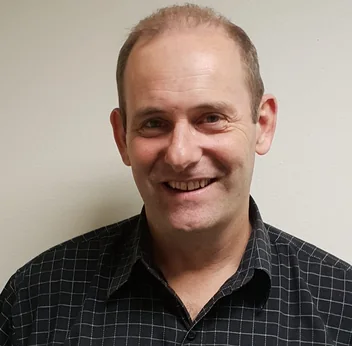
Jim brings more than 25 years of mining experience, including projects across Africa. His work covers mine operations, project planning, technical studies and due diligence.

Mine development and investment
Gary works across mine development, infrastructure and investment. His experience includes artisanal and mechanised mining, mineral processing, project finance and partnerships with governments and communities in Africa.
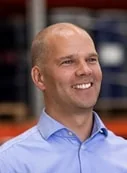
Metals trading and materials engineering
Stephen leads Advanced Alloys Group, supplying materials used in superalloy manufacturing. He brings experience in international metals trading and a background in materials science and engineering.
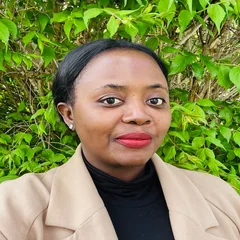
Environmental governance and African policy
Minette is an Africa Policy Fellow at LSE’s Grantham Research Institute. Her work focuses on environmental governance, natural capital and sustainable development, including forests and communities in the Congo Basin.
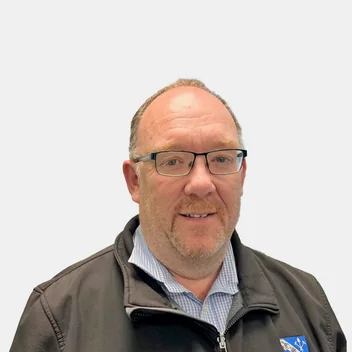
Mine safety and risk management
Patrick’s work at the University of Exeter’s Camborne School of Mines focuses on mine safety. His research and teaching cover health and safety, risk management and human factors.
These organisations helped establish the ASMRAF framework.
The proposed governance structure separates responsibilities across five bodies: the Secretariat, the Certification Committee, the Technical and Digital Oversight Unit, the Regulatory Coordination Forum and independent external auditors. Named appointments, decision powers and the audit arrangement still need to be confirmed.
Anyone can raise a concern or request an appeal. The draft procedure explains how concerns should be recorded and reviewed.